
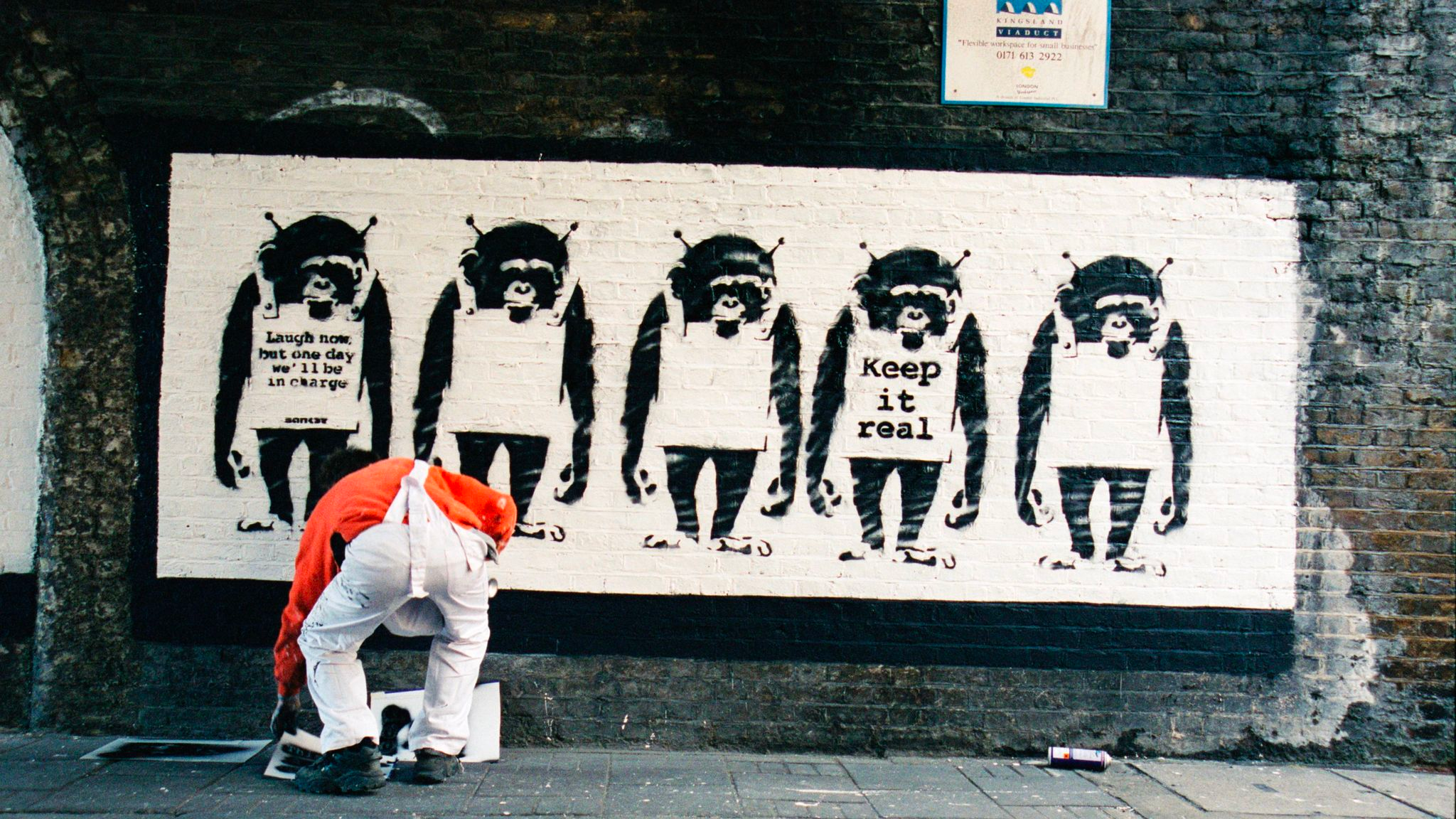
Banksy Shop Insights: Street Art’s Impact on Collectors
The surge of street art into mainstream culture has turned once‑underground works into coveted assets, and nowhere is this shift clearer than at the Banksy Shop. Collectors flock not only for the iconic stencils but also for the stories each piece carries. Understanding why these works command such attention reveals how street art reshapes collecting habits, valuation models, and even museum exhibitions. In this post we explore the dynamics that drive demand, the data emerging from the market, and what the future may hold for enthusiasts and investors alike.
What the Banksy Shop Reveals About Collector Trends
Recent sales data from the Banksy Shop shows a steady increase in average transaction values, especially for limited‑edition prints and signed pieces. Buyers are no longer just fans; they are strategic investors who track provenance, release dates, and rarity. The shop’s transparent inventory and authentication process give collectors confidence, leading to faster turnover and higher price points.
Another notable trend is the rise of younger buyers, many of whom discover the brand through social media. This demographic values the narrative behind each artwork, often sharing purchase stories online, which further fuels demand. The blend of cultural relevance and financial potential makes the market especially appealing to this tech‑savvy generation.
How Street Art’s Authenticity Impacts Value
Authenticity has always been the backbone of art valuation, and street art is no exception. The Banksy Shop employs cutting‑edge verification methods, from blockchain certificates to infrared imaging, to confirm each piece’s origin. This rigorous approach reduces the risk of forgeries—a common concern in a market where anonymity once protected artists.
When collectors know a work is genuinely tied to the elusive creator, the perceived value skyrockets. Provenance records that trace a piece from its first public appearance to its current sale add layers of credibility, encouraging both private collectors and institutional buyers to invest.
Market Dynamics: Scarcity, Editions, and Pricing
Scarcity drives price, and the Banksy Shop leverages limited editions to create urgency. Typically, only a few hundred prints are released per series, and each is individually numbered. This scarcity model mirrors traditional fine‑art practices, prompting collectors to act quickly before the opportunity disappears.
Pricing strategies also reflect demand elasticity. Early releases often start at accessible price points to attract a broad base, then gradually increase as secondary‑market activity intensifies. The shop monitors resale trends and adjusts future releases accordingly, ensuring the brand remains both exclusive and financially viable.
The Future of Street Art Collecting
Looking ahead, technology will play an even larger role. Augmented reality experiences linked to physical pieces could enhance storytelling, while NFT integrations may offer digital twins that track ownership histories. As the Banksy Shop continues to innovate, collectors can expect new ways to engage with and monetize their acquisitions.
Ultimately, the intersection of street culture and high‑end collecting reshapes how art is valued and experienced. By understanding the forces at play within the Banksy Shop, collectors can make informed decisions, ensuring their investments are both culturally resonant and financially sound.


